If you've lived in Central Arkansas for more than a season or two, you already know the drill when the sirens go off — and unfortunately, you probably also know what it's like the next morning, walking the yard and trying to figure out how bad it actually is. This part of the state sits in a genuinely active severe-weather corridor, and the aftermath of a bad storm has its own set of mistakes worth avoiding.
The First Move Isn't the Roof, It's Safety
Before anyone gets near a damaged structure, the priority is downed power lines, gas smells, and anything that looks structurally unstable — a leaning wall, a sagging roofline, a tree resting on the house. It's tempting to immediately assess the damage up close. Give it a few minutes and a careful look first.
Tarps Buy You Time, Not a Miracle
Once it's safe, getting a tarp over any exposed roof area is the single most useful thing that can happen in the first 24 hours. It's not a fix — it's damage control that keeps a bad situation from becoming a much more expensive one, since insurance can push back on interior water damage that happened after a homeowner had the chance to prevent it and didn't.
Beware the Guy in the Unmarked Truck With a Ladder Already on It
Big storms bring out-of-town crews to Central Arkansas fast — some legitimate, some not. The pattern to watch for: a truck with no local address, pressure to sign a contract on the spot, and a crew that's back on the highway before the first payment issue ever comes up. A local, licensed crew with an actual address and a phone number that still works next year is worth the extra hour of checking.
Documentation Is Your Best Friend
Photos before any cleanup starts, from multiple angles, with a timestamp — inside and outside. It feels unnecessary in the moment. It's exactly what turns a disputed insurance claim into a smooth one.
Why "Daniel Fights Your Insurance Company" Isn't Just a Slogan
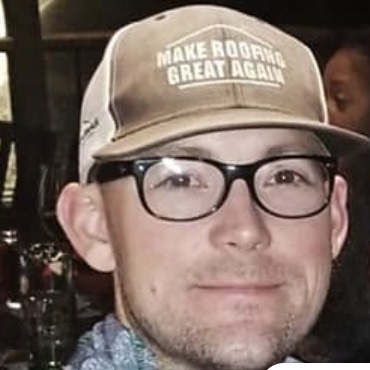
This is the part of storm recovery most homeowners dread most — not the damage itself, but the back-and-forth with an insurance company that's in no hurry to write a bigger check. Daniel handles that piece personally on every claim: documentation, adjuster calls, emails, pushing back when the first offer doesn't match the real damage. The goal is a homeowner who has to make exactly one phone call to get the whole thing moving.
If a recent storm left damage at your place, don't wait for it to become an obvious problem before getting it looked at — the sooner it's documented, the stronger the claim.